Who Owns a Story?
2 February 2025
For decades, the women who make India's most celebrated crafts have been invisible in the story of their own work. Their embroidery travelled to boutiques and biennials; their names did not.
Digital justice, as we understand it, begins here — with authorship. When an artisan photographs her own work, writes her own caption and posts from her own account, she reclaims a link in a chain that has long excluded her.
Visibility is not vanity. For an artisan, being seen is being paid.
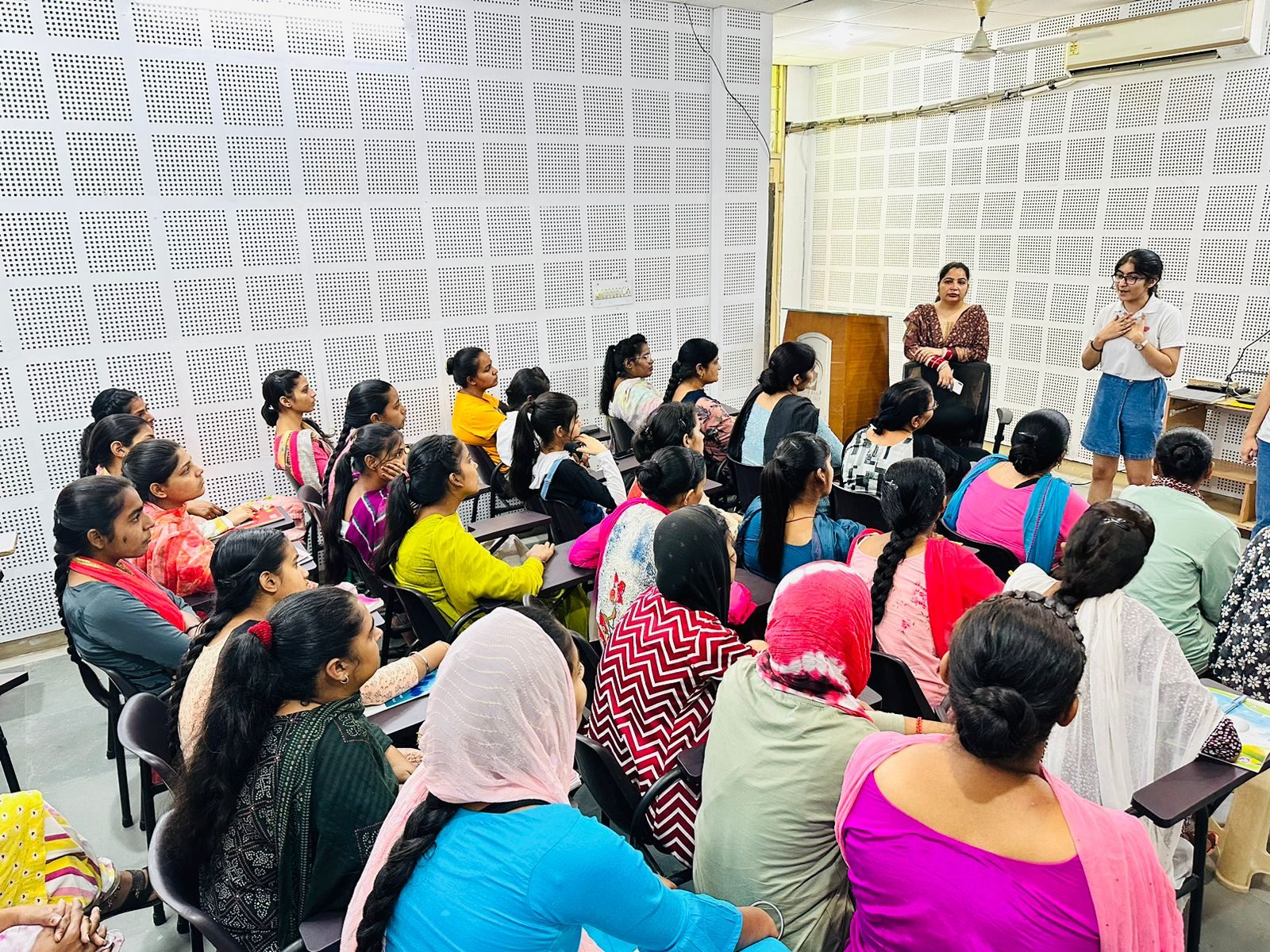
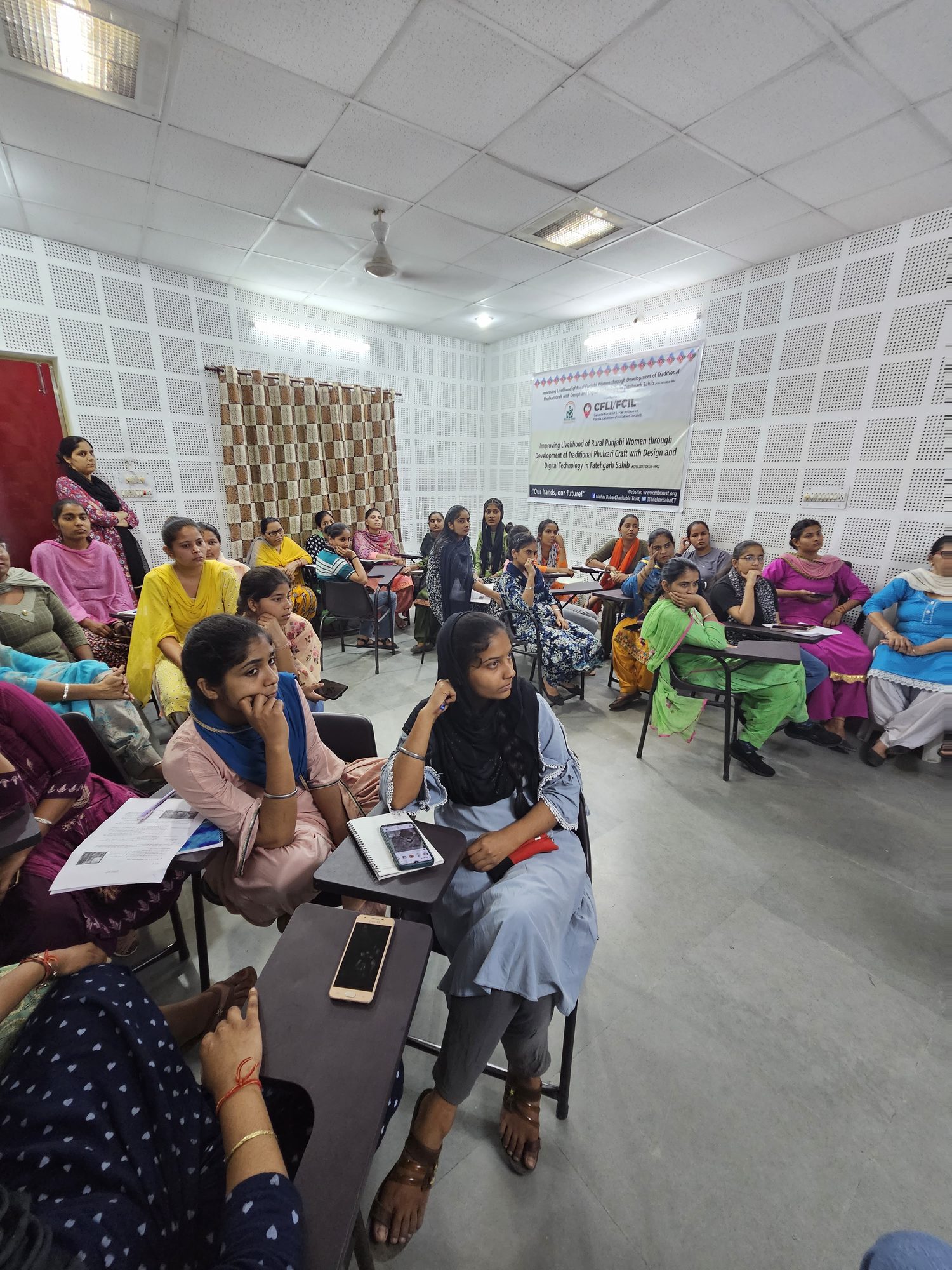
This is slow work. It means teaching a phone before teaching a platform. It means patience with hands more used to needles than keyboards. But the shift, when it comes, is profound: a maker who was a footnote becomes an author.
We measure success not in followers but in agency — in whether a woman can now tell her own story, set her own price, and be found by the person who wants exactly what she makes.